
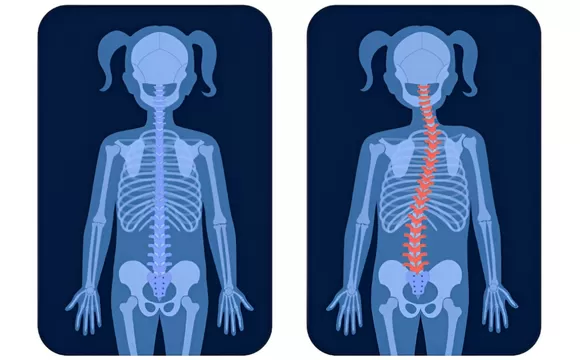
Scoliosis is a complex spinal condition that affects millions worldwide, often developing during adolescence but also appearing in adults. While it might sound intimidating, early diagnosis and proper management can significantly improve posture, comfort, and long-term spinal health.
Scoliosis is a condition in which the spine curves sideways, forming an “S” or “C” shape rather than a straight line. This curvature can affect posture, balance, and sometimes lung or heart function if severe. It’s typically identified through a physical exam or imaging studies like X-rays.
The exact cause of most scoliosis cases remains unknown (idiopathic scoliosis). However, several types exist:
The severity and visibility of scoliosis symptoms can vary. Some people experience mild posture differences, while others face noticeable discomfort. Common signs include:
Diagnosis usually begins with a clinical exam. The healthcare provider checks for visible curvature and asymmetry while the patient bends forward (Adam’s Forward Bend Test). Imaging such as X-rays helps measure the curve in degrees (Cobb angle), determining its severity.
Additional imaging — like MRI or CT scans — may be used if there’s suspicion of underlying structural or neurological issues.
Treatment for scoliosis depends on the curve’s severity, the patient’s age, and progression rate. The main approaches include:
With proper care, most people with scoliosis live active, fulfilling lives. Physiotherapy, yoga, Pilates, and posture awareness can all help reduce discomfort and maintain flexibility. Emotional support and counseling may also benefit younger patients dealing with body image concerns.
Scoliosis may seem daunting, but with modern diagnostic tools and personalized treatment options, it’s a highly manageable condition. Whether through bracing, exercise, or surgery, early detection is key to maintaining spinal health and preventing complications.
If you or your child shows signs of scoliosis, consult a spine specialist or physiotherapist for an assessment. Early intervention can make all the difference.

Leave a Reply
Your email address will not be published